Red flags of an unsafe med spa
Last updated
How to spot warning signs of unlicensed injectors, counterfeit Botox or fillers, absent medical oversight, unsafe laser setups, and high-pressure sales tactics at a med spa.
Most aesthetic clinics work hard to follow medical standards, hire properly licensed staff, and purchase authentic drugs and devices. When corners get cut, however, the shortcuts tend to follow predictable patterns. Learning to spot those warning signs before you sit in the treatment chair protects you from counterfeit vials, burns, infections, and unlicensed practitioners.
If you spot one minor administrative quirk, asking a follow-up question may clear it up. If you see several of the red flags below together, walk out before any procedure starts, keep your money, and check your state's licensing rules and questions to ask before booking.
1. Refusing to name the injector or medical director
Transparency is the baseline of medical care. You have every right to know the full legal name, license type (MD, DO, NP, PA, RN, or esthetician), and state license status of anyone evaluating or treating you, plus the name of the supervising physician or medical director when state law requires one.
Red flags around credentials include:
- A booking desk that says "whichever aesthetician is free" will inject your Botox or dermal filler.
- Certificates on the wall for weekend "master injector" courses without an active state medical, nursing, or PA license attached.
- Staff members using misleading titles such as "doctor" without clarifying they are non-physician practitioners, or claiming a remote medical director exists without being able to share their name.
- A provider name that does not show up as active on your state board portal or Nursys, or that shows public disciplinary restrictions.
To verify who is legally allowed to treat you in your state, check New York med spa rules, Illinois med spa rules, Georgia med spa rules, or your own state page, and follow how to check a med spa license by state.
2. Rock-bottom prices or unlabeled, pre-drawn, or mail-order vials
Authentic FDA-approved neurotoxins and dermal fillers have high wholesale costs set by their manufacturers. When a clinic or pop-up injector advertises Botox at a fraction of normal market prices, ask why. In 2024, the FDA and CDC investigated multistate hospitalizations caused by counterfeit or mishandled botulinum toxin injected by unlicensed or non-medical personnel in non-medical settings and unverified clinics, resulting in botulism-like symptoms such as blurred vision, slurred speech, difficulty swallowing, and trouble breathing.
Watch closely for these supply red flags:
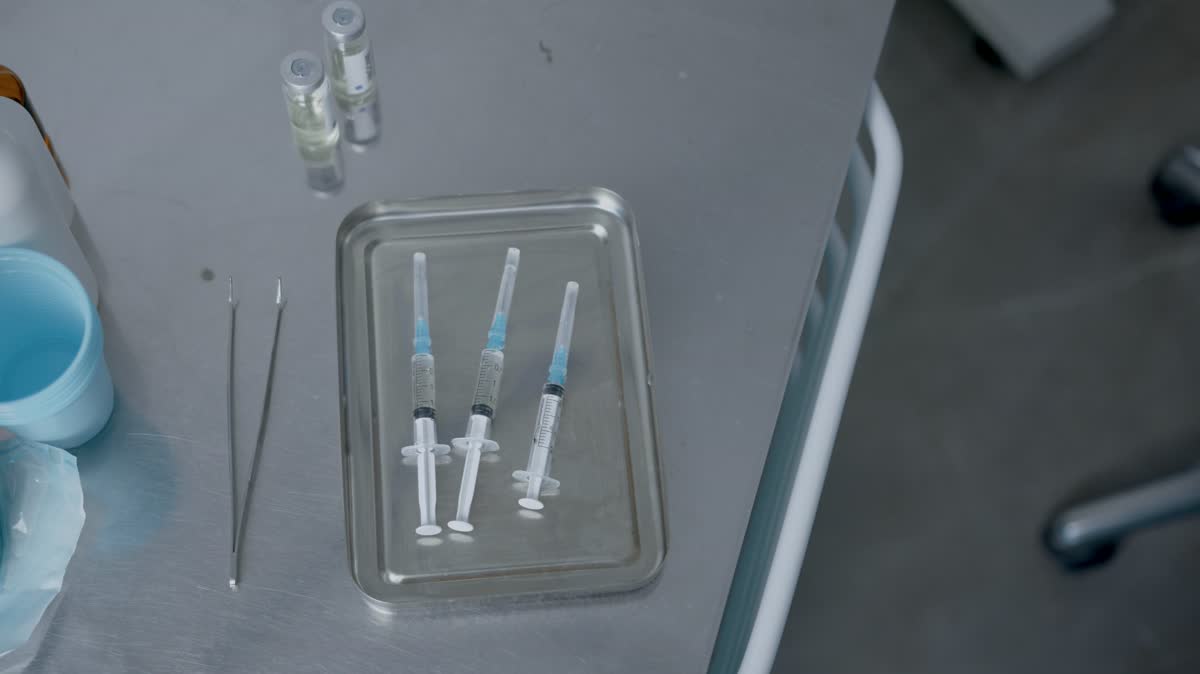
- Syringes already drawn up before you enter the room, with no unopened or labeled manufacturer vial shown to you.
- Boxes with misspelled words, foreign-language-only labels, missing lot numbers, or stickers covering another label.
- Offers of "research-grade" peptides, unapproved salt forms of semaglutide or tirzepatide, or weight-loss shots mailed directly from a spa without a real prescriber exam or licensed U.S. pharmacy label, which the FDA specifically warns against.
- Any clinician offering "liquid silicone," "needle-free hyaluron pen" lip fillers, or dermal fillers bought online; the FDA warns against needle-free filler devices and unapproved injectable substances.
3. Injections in hotel rooms, homes, salons, or "Botox parties"
Medical procedures require sterile technique, regulated sharps disposal, medical charting, emergency medications, and state-compliant supervision. Treatments sold at living-room parties, back rooms of hair salons, hotel suites, or pop-up booths rarely meet basic infection-control or medical-record standards.
Under CDC injection safety guidance and OSHA's Bloodborne Pathogens Standard, clinics must use a new sterile needle and syringe for every patient, never re-enter a multi-dose vial with a used syringe, keep clean medication preparation areas separate from contaminated items, and dispose of needles in rigid, labeled sharps containers. If a provider mixes alcohol with aesthetic injections at a social party, skips handwashing and gloves, or cannot show where medical records and emergency medications are stored, leave immediately.
4. Skipping the health history or Good Faith Exam
A safe med spa never goes straight from payment to needle. Before your first prescription treatment or major device session, a qualified clinician should review your medical history, allergies, pregnancy status, medications, and past procedures, and examine the treatment area.
It is a major red flag when a clinic:
- Hands you a quick waiver on a clipboard and starts injecting two minutes later without asking about medications, neuromuscular conditions, autoimmune issues, or blood thinners.
- Has an esthetician or front-desk coordinator recommend prescription neurotoxin dosing or GLP-1 weight-loss drugs without an evaluation by a licensed prescriber (MD, DO, NP, or PA).
- Pressures you to sign an electronic consent form without giving you time to read the risks, ask questions, or see the product label.
5. Unsafe laser and device practices
High-powered cosmetic lasers and intense pulsed light (IPL) systems can cause permanent burns, blistering, scarring, hyperpigmentation, and eye damage when handled poorly. Before letting anyone fire a laser or energy device near your skin or eyes, look for these warning signs:
- Nobody hands you wavelength-specific protective goggles or metal eye shields during facial laser or IPL treatments.
- The room has uncovered windows or unlocked doors with no laser warning sign on the outside.
- The operator skips asking about recent sun exposure, tanning beds, photosensitizing medications (such as doxycycline or isotretinoin), or skin-type history, and refuses a test spot on darker skin tones.
- The device looks unbranded, lacks a visible medical manufacturer nameplate, or the clinic cannot tell you its FDA clearance or model name.
Learn how laser safety standards and state rules work in Botox, filler, and laser safety for patients and our glossary.
6. No plan for complications, and no hyaluronidase in sight
Every clinic offering hyaluronic acid dermal fillers should be prepared for the worst-case complication: vascular occlusion, where filler blocks or compresses a blood vessel. If not recognized and treated promptly, vascular occlusion can cause skin necrosis (tissue death) or vision loss.
Red flags around emergency readiness include:
- An injector who laughs off risks or tells you "there are zero side effects."
- No after-hours phone number or clinician escalation plan if painful blanching, dusky discoloration, or vision changes appear hours after you get home.
- Refusing to answer whether hyaluronidase (the enzyme that dissolves hyaluronic acid filler) is kept on site in the clinic.
If you ever leave an appointment and develop worsening pain, pale or mottled skin, vision changes, or trouble swallowing or breathing, read what to do after a bad med spa result or injury and seek urgent medical care right away.
7. High-pressure sales, financing traps, and missing records
Unsafe clinics often push financial urgency to keep you from reading the fine print or getting a second opinion. Watch out for:
- "Today-only" flash deals requiring thousands of dollars up front or a CareCredit-style deferred-interest medical credit card opened while you are sitting in the chair.
- Refusing to give you a copy of your signed consent form, itemized receipt, or treatment record with product brand and lot numbers.
- Guaranteeing "permanent," "risk-free," or "100% side-effect-free" medical outcomes, or editing before-and-after photos with heavy filters.
If you have already signed a prepaid package or feel pressured by clinic financing, check your rights as a med spa patient and med spa financing, memberships, and consumer protection.
8. Missing infection control and unsafe clinic conditions
When you walk into a treatment room, take thirty seconds to scan the environment before you take off your coat or sit in the chair. Medical aesthetics breaches the skin barrier with needles, cannulas, and thermal energy, so basic hospital-grade hygiene is non-negotiable under CDC injection safety rules and OSHA bloodborne-pathogen standards.
Watch for physical safety red flags in the room:
- No sink, alcohol-based hand rub, or medical exam gloves within arm's reach, or an injector touching a phone or doorknob with gloved hands and then touching your skin without changing gloves.
- No rigid, labeled red sharps container mounted on the wall or counter.
- Unsealed syringes or loose cotton swabs sitting uncovered on a tray before you even arrive.
- Reusing a multi-dose saline or lidocaine vial with a syringe that already touched a patient, or drawing multiple patients' Botox doses out of an open vial with a used needle.
- Offering treatments in carpeted beauty rooms, hair-salon shampoo bays, or hotel rooms where medical waste disposal and sterile prep surfaces do not exist.
If something looks dirty or improvised, you never have to apologize for canceling on the spot. Put your keys back in your pocket, walk out, and choose a properly inspected medical office.
9. How state enforcement actually works when a clinic cuts corners
Many patients assume state health inspectors visit every med spa every year like restaurants. In reality, routine periodic inspections vary sharply by state. In many states, medical boards, nursing boards, and cosmetology boards investigate a med spa primarily after a patient files a complaint, an emergency room flags a counterfeit cluster, or an investigator runs a targeted sweep.
For example, states like Florida and Texas regulate specific laser facilities or health care clinic registrations separately from physician offices, while states like California and New York enforce strict Corporate Practice of Medicine rules alongside medical and nursing board discipline for aiding and abetting the unlicensed practice of medicine. Because proactive routine inspections are uneven nationwide, doing your own five-minute check before an appointment is one of the strongest safeguards you have.
Quick walk-out checklist for patients
Leave immediately before any needle or device touches your skin if you observe any of the following:
- They refuse to tell you the injector's full legal name, state license type, or medical director's name.
- You cannot verify an active license on your state board portal or Nursys.
- No MD, DO, NP, or PA evaluates your medical history before a first prescription treatment or IV infusion.
- The vial or filler box looks foreign, unsealed, unlabeled, pre-drawn out of sight, or labeled "research only."
- There is no hyaluronidase in the clinic during a hyaluronic acid filler appointment, or no safety goggles during a laser session.
Sources
- FDA Counterfeit Version of Botox Found in Multiple States
- CDC Health Alert Network HAN00507, Adverse Effects Linked to Counterfeit or Mishandled Botulinum Toxin Injections
- FDA Concerns with Unapproved GLP-1 Drugs Used for Weight Loss
- FDA Dermal Filler Dos and Don'ts for Wrinkles, Lips and More
- CDC Injection Safety Clinical Guidance
- OSHA Bloodborne Pathogens Standard 29 CFR 1910.1030
Free checklist · PDF
Med Spa Startup Checklist
A one-page checklist to help you review the basics before you open, hire, delegate, or advertise.
Free. We email you the download link, plus an occasional plain-English guide. Unsubscribe any time. We never sell your email. Privacy