Med spa laws
South Dakota
South Dakota official statutes make esthetics a licensed occupation and define medicine broadly enough to include certain laser use and cosmetic injections when they are treatment of human tissue or body structures. The official sources checked did not show a separate statewide med spa guidance document from the medical board, so the answer comes from statutes, nursing rules, and cosmetology rules.
Checked against official sources on November 25, 2026. Rules and links change; confirm with the office listed before you act.
- Who can own a med spa
- The official sources checked do not clearly address med spa ownership or whether a nonphysician or NP may own one. They do say practicing medicine requires a South Dakota license, and the med spa-related procedures themselves are treated as medical practice when they involve lasers or injections.
- Medical director and supervision
- The official sources checked do not contain a med-spa-specific medical director rule for South Dakota. The nursing rules do require delegated medical treatment to follow an approved protocol, standardized procedure, or standing order.
- Good faith exam / patient assessment
- The official sources checked do not address a med-spa good-faith exam rule. They do require delegated treatment to follow an approved medical protocol, standardized procedure, or standing order.
- Who can inject neurotoxins and fillers
- The official sources checked do not state a specific South Dakota med-spa injector list for Botox or fillers. The statutes treat cosmetic injections and laser procedures as medical practice when they involve treatment of human tissue, so a South Dakota medical license and scope authority are required.
- Who can operate lasers and IPL
- South Dakota law says laser use for cutting or otherwise altering human tissue is surgery, and the medical practice statute requires licensure for practice of medicine or osteopathy. The official sources checked do not identify a separate cosmetic laser certification or registration for med spas.
- Esthetician limits
- An esthetician may only do noninvasive skin care, eyebrow or eyelash grooming, and nonpermanent hair removal such as tweezing and waxing. The statute says living cells may never be altered, cut, or damaged, so estheticians may not do medical injections or tissue-altering procedures.
- State medical board
- Official page →
- Key law or rule
- SDCL 36-4; SDCL 36-15-2.2; ARSD 20:48:04:01.
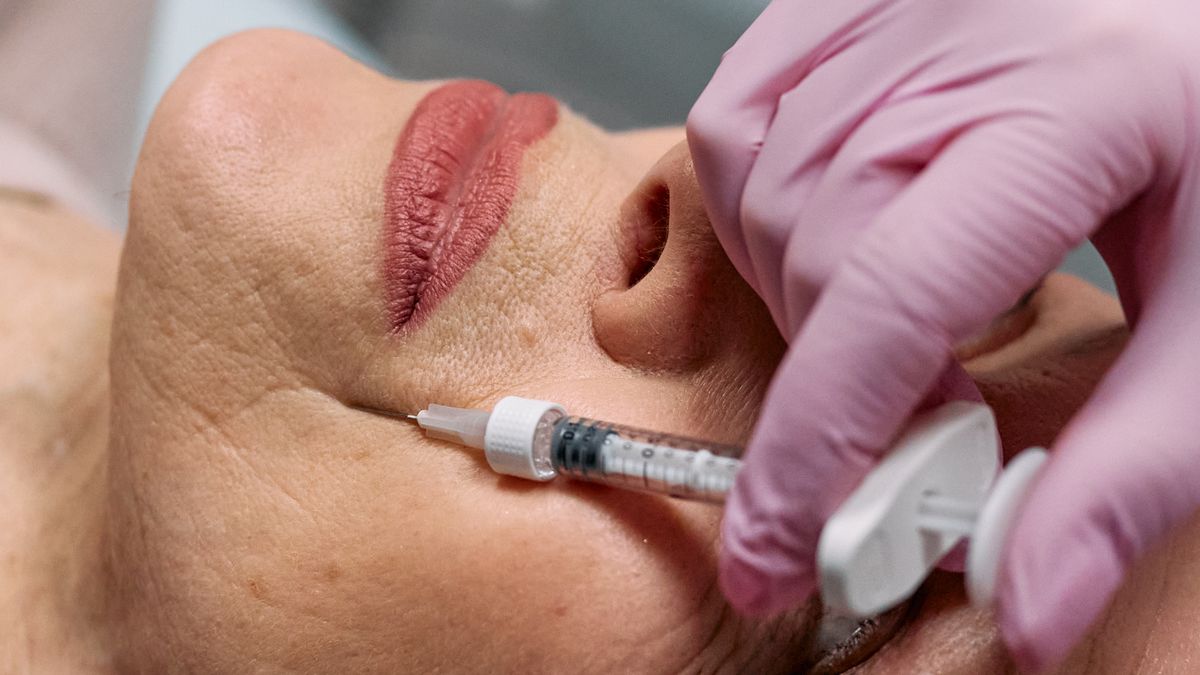
What this means if you are opening a med spa in South Dakota
South Dakota’s official sources do not give a med spa-specific ownership rule, so the safest reading is that the business structure itself is not clearly spelled out in state med spa guidance. What the statutes do say is that practicing medicine or osteopathy requires a South Dakota license, and med spa procedures can fall into that category when they involve laser use or cosmetic injections. In practice, that means a founder should not assume a nonphysician-owned clinic can simply offer any treatment menu and call it a spa. The business plan, contracts, marketing, and staffing should be built around who is actually licensed to perform each service, and a careful owner should ask for board guidance or a written legal opinion before opening.
South Dakota’s official sources also do not contain a med-spa-specific medical director rule or a separate good-faith exam rule. Instead, the nursing rules say delegated medical treatment, therapy, or a regimen may be executed by a registered nurse only according to an approved medical protocol, standardized procedure, or standing order. In practice, that means any delegation model should be documented before services start, with clear written protocols showing what can be delegated, to whom, and under what conditions. If a physician or other licensed practitioner will oversee care, the contracts and standing orders should spell out who evaluates the patient, who authorizes treatment, and who can change the protocol.
For patient intake, the official sources checked do not say that South Dakota has a separate med-spa good-faith exam requirement. Because the sources are silent, a careful owner would get guidance from the relevant board and a healthcare attorney before adopting any treatment workflow. Practically, that means the clinic should not rely on informal screening alone for services that may count as medical practice. If the service alters human tissue or uses injectables, the safest approach is to make sure the patient has been evaluated by someone with authority under the medical practice statute before treatment is scheduled or started.
On who can inject, the official sources checked do not list a South Dakota med-spa-specific injector roster for Botox or fillers. The research says cosmetic injections are treated as medical practice when they involve treatment of human tissue or body structures, and no person may practice medicine or osteopathy without a South Dakota license. For a founder, that means hiring and scheduling must be tied to licensure and scope, not just experience in aesthetics. An RN or LPN should not be scheduled to inject unless the service is authorized under the applicable medical protocol, standardized procedure, or standing order and the person ordering the care has authority to do so.
Lasers need especially careful handling. South Dakota law says surgery includes use of a laser or ionizing radiation to cut or otherwise alter human tissue. The official sources checked do not identify a separate cosmetic laser registration or certification program for med spa use. In practice, a laser treatment that alters tissue is not just a spa service; it is tied to the medical practice statute. That should change hiring, training, and supervision decisions, and it should be reflected in the clinic’s consent forms, service descriptions, and who is allowed to activate or direct the device.
Estheticians have a narrower role. South Dakota law says esthetics is noninvasive skin care, eyebrow or eyelash grooming, and nonpermanent hair removal such as tweezing and waxing, and living cells may never be altered, cut, or damaged. The statute also says a person may not practice esthetics unless licensed by the commission. So an esthetician may handle noninvasive cosmetic care, but should not be assigned medical injections or tissue-altering procedures, and the treatment menu should be written so the line between cosmetic services and medical services is clear. Say an RN in South Dakota wants to inject a cosmetic product and then hand off follow-up to an esthetician; the RN’s role would need to fit the medical protocol, while the esthetician could only do noninvasive services within esthetics scope. For questions, contact the South Dakota Department of Health, the South Dakota Board of Medical and Osteopathic Examiners, the South Dakota Board of Nursing, and the South Dakota Board of Cosmetology. This is general information and should be confirmed with the board and a healthcare attorney.
Official resources in South Dakota
Lists the state’s professional licensing boards, including the medical and nursing boards.
Lists statutes and administrative rules for the medical, nursing, and cosmetology boards.
Contains the medical practice statute, including the definition of surgery and the practice of medicine.
Defines esthetics and the acts an esthetician may perform.
Contains nursing scope and delegated treatment rules.
Key facts for South Dakota
- South Dakota law says surgery includes use of a laser or ionizing radiation to cut or otherwise alter human tissue.
- South Dakota law says no person may practice medicine or osteopathy without a license issued under the chapter.
- The nursing rules allow a registered nurse to execute delegated medical treatment, therapy, or regimen according to an approved medical protocol, standardized procedure, or standing order.
- The esthetics statute says esthetics is noninvasive skin care and living cells may never be altered, cut, or damaged.
- The esthetics statute says a person may not practice esthetics unless licensed by the commission.
- The official sources checked do not identify a separate cosmetic laser registration or certification program for med spa use.
State boards and agencies in South Dakota
| Board | city | phone | Details |
|---|---|---|---|
| South Dakota Department of Health Hughes County | Pierre | 605-773-3361 | Houses the professional licensing boards page and health-related board resources. |
| South Dakota Board of Medical and Osteopathic Examiners Hughes County | Pierre | Not published* | Regulates physicians, physician assistants, and related medical practice issues. |
| South Dakota Board of Nursing Hughes County | Pierre | Not published* | Regulates nursing scope, including delegated medical treatment rules. |
| South Dakota Board of Cosmetology Hughes County | Pierre | Not published* | Regulates esthetics licensure and scope. |
* Not published: the official page doesn't list it. Call the office to confirm before you rely on it.
What to do next
- Check the medical practice statute first for any procedure that alters tissue or uses a laser.
- Check the nursing protocol rule before delegating any injection or treatment to an RN or LPN.
- Do not assume esthetics covers procedures that reach living tissue or use medical injectables.
Before you sign a lease or hire staff in South Dakota
- Read the board pages linked above. Boards publish position statements and FAQs that change faster than statutes.
- Ask the board directly. South Dakota Department of Health professional licensing boards → Phone: (605) 773-3361 (as printed on that page)
- Have a healthcare attorney in South Dakota review your structure, your medical director agreement and your protocols before you open.
- Spot something out of date? Tell us and include the official link. We check every tip before it goes up.
Helpful guides
- How to start a med spa: licenses, structure and launch checklist
- Who can own a med spa? Corporate practice of medicine and MSOs explained
- Hiring a med spa medical director: duties, contracts and red flags
- Good faith exams in med spas: who does them and when