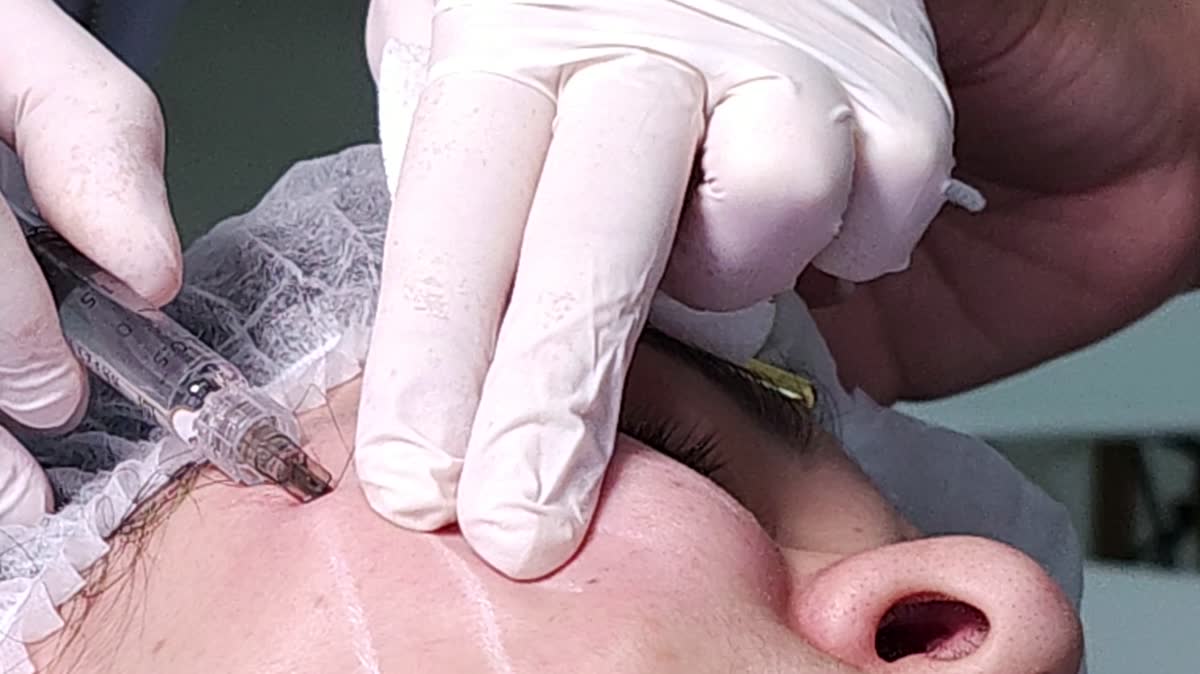
Opening a med spa as a nurse practitioner: practice authority state by state
Last updated · 11 min read
State-by-state guide for nurse practitioners opening med spas, with practice authority comparisons, supervision rules, compliance steps, and state examples.
A nurse practitioner can open a med spa in many states, but the legal structure changes fast once the menu includes injectables, lasers, IV therapy, or prescription skin treatments. The first question is not the branding or the lease, it is whether the NP can own, supervise, prescribe, and delegate under the state’s practice act and the medical board or nursing board rules. State practice authority ranges from full practice to reduced and restricted practice, and that difference shapes who can own the business, who can write orders, and who must be involved in the clinic’s medical oversight. (aanp.org)
This is not legal, tax or medical advice, confirm with your state board and a healthcare attorney, and for tax topics, a CPA.
1) Start with the nurse practitioner’s practice authority
AANP classifies states as full, reduced, or restricted practice. In full practice states, NPs may evaluate patients, diagnose, order and interpret tests, and initiate and manage treatment under the state board of nursing. In reduced and restricted states, at least one extra layer of supervision, collaboration, or delegation remains in place. That matters in a med spa because the core services are medical, not purely cosmetic. (aanp.org)
For a practical comparison, AANP classifies Arizona as full practice, Ohio and New York as reduced practice, and California, Texas, and Florida as restricted practice. That does not by itself tell a clinic exactly who may own the entity or sign every order, but it is the right first filter before a nurse signs a lease or hires staff. State-specific statutes then add the details. (storage.aanp.org)
2) What the law means for med spa ownership and control
A med spa is usually a medical practice wrapped in retail presentation. The services often include patient assessment, prescription drugs, injections, and management of adverse reactions. Those activities are medical in nature even when the setting sells memberships, packages, and skincare products. California’s BRN says an NP has no extra scope beyond the usual RN scope and relies on standardized procedures for overlapping medical functions. Florida’s APRN statute allows autonomous registration only after the statutory requirements are met. Texas says APRNs are limited by the nursing delegation rules and separate physician delegation rules when medical acts are involved. (rn.ca.gov)
That means ownership and control must be checked against more than one law. The business entity, the medical practice rules, and the nursing rules all matter. In some states, a nurse can own the company but still need a physician or other licensed prescriber for certain services. In others, the NP can practice more independently, but still cannot ignore product labeling, infection control rules, or board requirements. (aanp.org)
3) California, Texas, Florida, New York, and Ohio are not the same
California is one of the most detailed states for med spa planning. The BRN says NPs may furnish drugs and devices only through standardized procedures or protocols, and its guidance says a 103 NP may practice without standardized procedures only in certain group settings with at least one physician and surgeon. The BRN also publishes a med spa advisory and standardized procedure guidance, which is a clue that the state treats these clinics as heavily protocol-driven. (rn.ca.gov)
Texas is also tightly structured. The Texas Board of Nursing says APRNs may delegate only as RNs within the nursing delegation rules, not with the same delegatory authority as physicians. The Texas Medical Board says physicians who delegate nonsurgical medical cosmetic procedures must ensure adequate supervision, and the board’s med spa guidance points readers to Rule 193.17. In practice, that means a Texas med spa usually needs a physician-led framework for medical cosmetic services even when an NP is running much of the day-to-day business. (bon.texas.gov)
Florida gives experienced APRNs a path to autonomous practice, but that path has statutory conditions. The statute requires an active, unencumbered APRN license, no disciplinary action within the prior five years, and at least 3,000 clinical practice hours within the prior five years under physician supervision. That does not erase every compliance issue, but it does give Florida NPs a statutory route that looks different from California’s protocol model or Texas’s delegation model. (wwwo.leg.state.fl.us)
New York remains collaboration-based under section 6902, with a written practice agreement and written practice protocols for NP practice, though the statute has been amended over time and the exact arrangement depends on the setting. Ohio also uses a collaboration framework. Ohio law says medical diagnosis and the practice of medicine are prohibited by a nurse, except that a certified nurse practitioner may practice within scope under the statute, and Ohio rules require collaboration with a physician or podiatrist. (nysenate.gov)
4) Decide who may perform the medical services
The med spa service list should be broken into buckets. Some services are clearly medical, such as botulinum toxin injections, dermal filler injections, prescription skin treatments, and many IV therapies. The FDA says filler injection is a medical procedure, not a cosmetic treatment, and that botulinum toxin products such as Botox, Dysport, Xeomin, and Jeuveau are prescription products for specific uses. FDA also warns that counterfeit or unapproved injectables can be dangerous. (fda.gov)
The next step is to ask which licensed professional may perform each task under state law. AANP’s practice-environment map gives the high-level category, but the state board or medical board decides the finer points. In Texas, the nursing board explicitly says APRNs may not use physician-level delegatory authority. In California, NPs need standardized procedures for overlapping medical functions. In Florida, autonomy depends on statutory registration, not on a general business license. (aanp.org)
5) Build the clinic around protocols, not casual office habits
A med spa should not be run on verbal tradition. It should have written standing orders, screening criteria, escalation rules, emergency transfer steps, consent forms, supervision logs, and documentation standards. California’s standardized procedure guidance says the procedure should be written, dated, signed, and should specify what the practitioner may do, the training required, supervision requirements, and how competence is reviewed. Ohio rules likewise require the APRN to work within the scope of the collaborator framework and the nurse’s own designation. (rn.ca.gov)
A useful checklist for an NP-led med spa looks like this:
- confirm the state practice category for the NP license, then read the nursing board and medical board rules for med spa services;
- map each service to the license that may perform it, such as NP, RN, physician, or another authorized professional;
- put every standing order, patient screening rule, and complication referral step in writing;
- verify who may prescribe or furnish drugs and devices, including fillers, botulinum toxin, and topical prescription products;
- set up HIPAA privacy, OSHA bloodborne pathogen, sharps, and exposure control processes;
- train staff on emergency response, consent, adverse-event reporting, and documentation;
- confirm payroll, withholding, and Form I-9 duties before the first hire. (rn.ca.gov)
6) Say a nurse in Ohio wants to open a small facial aesthetics clinic
Say a nurse practitioner in Ohio wants to open a clinic that offers consultations, neurotoxin injections, dermal fillers, and weight-loss visits. Ohio is a reduced-practice state under AANP’s map, and the Ohio code says a certified nurse practitioner practices under Ohio’s scope rules and, for prescribing, Chapter 4723-9. Ohio also requires collaboration with a physician or podiatrist, and the APRN must submit collaborator information to the board within thirty days after first engaging in practice. (storage.aanp.org)
In that setting, the nurse should not assume the clinic can operate like a solo retail shop. The clinic will need a clean written structure for collaboration, prescribing, chart review, emergency response, and staff delegation. If the business adds an RN injector, an aesthetician, or a medical assistant, the state scope rules for each title still control who does what. If the clinic later adds a laser or device-based treatment, the nurse should check the state board guidance before adding the service menu. (codes.ohio.gov)
7) What federal compliance looks like in a med spa
Federal rules do not replace state scope laws, but they matter every day. OSHA’s bloodborne pathogens standard applies to employers with occupational exposure, and the standard requires safer sharps practices, exposure control planning, and follow-up after exposure incidents. OSHA also says sharps and contaminated needles must be handled under specific rules. In a med spa, that applies to injections, blood draws, and any procedure with blood or body fluid exposure. (osha.gov)
HIPAA also applies when the clinic is a covered entity or part of one. HHS says OCR enforces the Privacy, Security, and Breach Notification Rules. That means front-desk texting, before-and-after photos, patient portals, and cloud booking systems all need policies that match the privacy rule, not just marketing preferences. The business should also set up employment records and payroll processes correctly, because IRS rules require Form I-9 for every employee, withholding based on Form W-4, and employer tax deposits and reporting. (hhs.gov)
8) Product safety, training, and adverse-event response
Injectables are not interchangeable retail goods. The FDA says dermal fillers should be injected by a licensed health care professional, and it warns against fake, contaminated, or unapproved products. The FDA also says botulinum toxin products are prescription drugs and that unapproved uses may not have established safety and effectiveness. If a med spa buys products through the wrong channel or uses staff without proper training, the risk is legal as well as clinical. (fda.gov)
Training should be tied to the exact service. A filler trainer is not automatically competent to teach laser protocols, IV therapy, or adverse reaction management. The clinic should keep product lot numbers, consent documents, and incident reports. If a reaction occurs, the FDA’s MedWatch system exists for reporting problems with FDA-regulated products, and a clinic should know who files the report and who calls emergency services. (fda.gov)
9) A short ownership checklist before you sign a lease
Before signing a lease or buying equipment, verify these points with the state board and counsel:
- whether the NP license is in a full, reduced, or restricted practice state;
- whether the med spa menu requires physician collaboration, standardized procedures, or autonomous registration;
- who may own the practice entity and who may supervise medical services;
- whether injectables, lasers, microneedling, or IV therapy need separate protocols or supervision;
- whether the state limits delegation to RNs, medical assistants, or unlicensed staff;
- whether OSHA, HIPAA, and employment tax systems are in place;
- whether the medical director agreement, collaborator agreement, or protocols are signed before opening. (aanp.org)
For state-by-state details, use the state pages on this site, starting with Texas, California, Florida, New York, and the full index at all states. Related planning guides also cover how to start a med spa, CPOM and MSO ownership, medical director hiring, good-faith exam rules, Botox and filler rules, laser and IPL rules, insurance, startup costs and equipment, HIPAA, OSHA, and medical waste compliance, software, booking, and payments, and the startup checker tool. (aanp.org)
Records to assemble before the first patient
A med spa opening packet should sit in one folder, not scattered across email threads. At minimum, keep the entity formation papers, the NP’s active license, any collaborator or supervising physician agreement, written standing orders or protocols, consent forms, HIPAA notices, OSHA exposure control plan, sharps injury log, emergency transfer plan, and vendor invoices that identify the exact injectable or device purchased. OSHA requires an Exposure Control Plan when employees have occupational exposure, and the plan must be updated and reflect changes in technology. OSHA also requires a sharps injury log in covered settings. HHS says HIPAA-covered providers and business associates need written breach-notification policies, employee training, and documentation showing that notices were sent or that notice was not required. The IRS says employers must keep Form I-9 for each employee and Form W-4 to determine withholding. (osha.gov)
Mistakes that draw board attention
The fastest way to create board trouble is to run a med spa on habit instead of written authority. California’s standardized procedure guidance says procedures must be in writing, dated, signed, and spell out the scope of functions, training requirements, and the method for initial and continuing competence review. It also states that if a nurse performs a procedure without competence, the act may be treated as gross negligence and may lead to discipline. Texas is equally unforgiving about structure. The Texas Medical Board says nonsurgical medical cosmetic procedures are the practice of medicine, and a physician, PA, or APRN must be onsite or immediately available for emergency consultation in the event of an adverse outcome. Texas nursing guidance also says employee job descriptions cannot force RN delegation, and elective IV therapy now has specific limits on who may order or administer it. (rn.ca.gov)
State-specific paperwork that changes the launch plan
California and Texas show why a generic template is risky. In California, the Medical Board says a medical spa should be run with a physician, or a registered nurse or physician assistant under physician supervision, and the state’s NP materials rely on standardized procedures for overlapping medical functions. In Texas, the medical board says med spa procedures must be delegated by a licensed physician, and the nursing board says elective IV therapy after September 1, 2025 is limited to physicians, APRNs, and RNs acting under physician delegation. That means a California launch packet should prioritize standardized procedures and competence documentation, while a Texas packet should prioritize physician delegation records, emergency availability, and a clean paper trail for IV authority. The service menu may look the same on a website, but the files behind it do not. (mbc.ca.gov)
Confirm the state board rules and a healthcare attorney before opening, because med spa authority changes by state and the paperwork has to match the license structure.
Frequently asked questions
Can an NP own a med spa in every state?
No. Ownership and operational control vary by state, and the answer turns on the NP practice act, the medical board’s rules, and any corporate practice of medicine or delegation restrictions. California, Texas, Florida, New York, and Ohio each use different legal structures, so readers should check the state page before forming the entity. (rn.ca.gov)
Can an NP inject Botox and fillers without a physician?
Sometimes, but only if the state law allows it and the NP is acting within the required scope, protocol, furnishing authority, or autonomous practice framework. California relies on standardized procedures, Texas relies on physician delegation, Florida has a statutory autonomous practice path, and other states use collaboration rules. The FDA also treats fillers as medical procedures and botulinum toxin products as prescription drugs. (rn.ca.gov)
Is a medical director enough by itself?
Usually not. A title on paper does not replace state scope law, written protocols, or supervision requirements. The clinic still needs a lawful structure for prescribing, delegation, documentation, and emergency response, and the details differ by state. Texas, California, and Ohio each show that the medical director role must fit the governing statute, not the other way around. (tmb.texas.gov)
What should I verify before opening day?
Verify the state practice category, who may own the practice, who may prescribe or furnish drugs, who may inject, who may supervise lasers or IVs, and whether OSHA, HIPAA, and payroll systems are ready. If the state requires collaboration, standardized procedures, or a medical director, those documents should be in place before the first patient is scheduled. (aanp.org)
Sources
- AANP State Practice Environment
- California Board of Registered Nursing, Nurse Practitioner Practice
- Texas Medical Board, Nonsurgical Medical Cosmetic Procedures
- Florida Statutes, Section 464.0123 Autonomous practice by an advanced practice registered nurse
- New York Education Law, Section 6902
- FDA, Dermal Filler Do's and Don'ts for Wrinkles, Lips and More
- OSHA, Bloodborne Pathogens standard
- OSHA Bloodborne Pathogens and Needlestick Prevention - Quick Reference Guide
- OSHA Bloodborne Pathogens Standard 1910.1030
- HHS HIPAA Breach Notification Rule
- HHS HIPAA Basics for Providers: Privacy, Security, & Breach Notification Rules
- IRS Hiring Employees
- California BRN Standardized Procedure Guidelines for Nurse Practitioner Practice
- Texas Medical Board Med Spa Registration FAQ
- Medical Board of California Medical Spas
Free checklist · PDF
Med Spa Startup Checklist
A one-page checklist to help you review the basics before you open, hire, delegate, or advertise.
Free. We email you the download link, plus an occasional plain-English guide. Unsubscribe any time. We never sell your email. Privacy