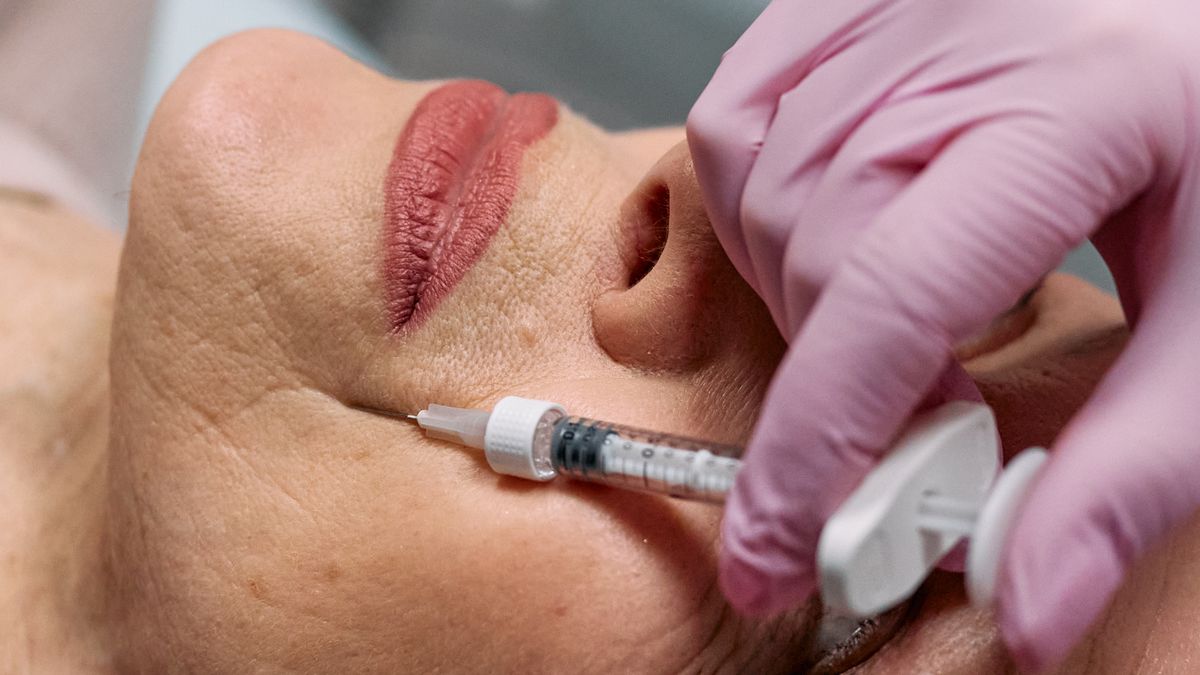
What the 2024 counterfeit Botox outbreak taught med spa owners
Last updated · 12 min read
A practical look at the 2024 counterfeit Botox outbreak, what regulators said, and how med spa owners can tighten sourcing, supervision, and reporting.
The 2024 counterfeit Botox outbreak showed med spa owners how fast a sourcing problem becomes a patient-safety problem, a licensing problem, and a brand problem. CDC and FDA investigators linked harmful reactions to counterfeit or mishandled botulinum toxin injections in homes, spas, and other non-healthcare settings, with reports across multiple states. (cdc.gov)
What happened in 2024
In April 2024, FDA warned that unsafe counterfeit versions of Botox had been found in multiple states and administered for cosmetic purposes. CDC’s April 2024 advisory said 22 people in 11 states had reported harmful reactions after injections from unlicensed or untrained individuals or in non-healthcare settings, including homes and spas. By June 24, 2024, CDC had updated the total to 17 people in 9 states, and the investigation later closed. (fda.gov)
The outbreak was not limited to one bad actor or one clinic model. CDC said some patients received counterfeit products, some got products from unverified sources, and some were treated by people who were not following jurisdictional requirements. Reported symptoms included blurred vision, drooping eyelids, trouble swallowing, dry mouth, slurred speech, trouble breathing, fatigue, and generalized weakness. Of the 20 people with information available in the April update, 11 were hospitalized and 6 received botulism antitoxin. (cdc.gov)
The lesson for med spa owners: sourcing matters as much as skill
FDA’s message was simple, buy only from authorized sources. The agency said products purchased from unauthorized sources may be unapproved, misbranded, adulterated, counterfeit, contaminated, improperly stored and transported, ineffective, or unsafe. FDA also said clinicians and consumers should confirm that botulinum toxin products come from an authorized source and report suspected counterfeit product to FDA. (fda.gov)
That lesson reaches beyond Botox alone. FDA has long warned that counterfeit injectables can look legitimate enough to enter medical offices, and that the brand name on the outside of the carton does not guarantee the vial inside is real. In 2024, FDA again told providers to verify the source and to recognize that counterfeit products can be administered in both licensed and unlicensed settings. (fda.gov)
For med spa owners, that means buying controls are not a back-office detail. They are part of clinical risk management. A low-price offer from an unknown seller can put the business at risk for patient harm, product seizure, adverse-event reporting, licensure scrutiny, and possible criminal investigation if the product is counterfeit or unlawfully imported. (fda.gov)
Check the chain of custody before the first injection
Every spa should have a written process for ordering, receiving, storing, and reconciling toxin inventory. FDA said providers should buy from authorized trading partners, and it has reminded health care providers who dispense or administer prescription drugs to purchase only from authorized trading partners licensed by or registered with government authorities, as applicable. That is the same principle med spa owners should apply when they vet wholesalers, deliveries, and internal product logs. (fda.gov)
A simple internal checklist helps:
- Confirm the seller is an authorized trading partner before purchase. (fda.gov)
- Keep invoices, lot numbers, expiration dates, and receiving records together in one file. (fda.gov)
- Reconcile units purchased against units billed and charted. FDA later used that kind of mismatch in a compliance case involving a med spa. (fda.gov)
- Quarantine any product with broken seals, altered packaging, missing lot information, or suspicious labeling. FDA has identified counterfeit packaging features such as missing lot information and unusual unit descriptions. (fda.gov)
- Train staff to stop a treatment if the product source is unclear. (fda.gov)
Who may inject varies by state, and that matters during an outbreak
The outbreak also exposed a staffing issue. CDC said many patients received injections from unlicensed or untrained individuals. That is why the legal question is not just who can hold a syringe, but who can lawfully practice medicine, delegate a medical procedure, and supervise the injector. Those rules vary by state. (cdc.gov)
Texas and California are a good comparison. The Texas Medical Board says nonsurgical medical cosmetic procedures, including injections of medication or substances for cosmetic purposes, are the practice of medicine, and a physician, PA, or APRN must either be onsite or immediately available for emergency consultation. The Medical Board of California says physicians may inject Botox, or direct registered nurses or physician assistants to perform the injection under physician supervision. California’s board also warns that a nurse may not run a private medical cosmetic practice without physician supervision. (tmb.texas.gov)
That difference is exactly why med spa owners should not copy a staffing model from another state. A workable model in one jurisdiction can be a violation in another. If your business operates in more than one state, or plans to expand, keep a state-by-state matrix for delegation, supervision, and scope. Start with your state page on states, then verify the current rules for Texas, California, Florida, and New York. (tmb.texas.gov)
Say a nurse in Ohio wants to open a Botox-focused room inside a salon
Suppose a registered nurse in Ohio wants to offer cosmetic toxin injections two afternoons a week inside a salon suite, using product bought by a distributor she found online. The 2024 outbreak offers a blunt warning. Before a single appointment is booked, she would need to verify whether her state allows the procedure, whether a physician must supervise, whether the product source is authorized, and whether the setting meets state requirements for medical care. CDC’s outbreak reports involved people treated in non-healthcare settings, including homes and spas, and FDA said unauthorized products may be counterfeit or unsafe. (cdc.gov)
The practical fix is not guesswork. The owner should confirm the legal model with the state board, use a physician-led protocol if the state requires it, and build a paper trail before opening. If the service mix includes injectables, the clinic should also review who can inject Botox and fillers, good-faith exam rules, and how to start a med spa. (tmb.texas.gov)
Reporting, recall response, and patient communication
When a clinic suspects a counterfeit toxin, speed matters. FDA tells health care professionals and consumers to report suspected counterfeit Botox to the agency, and to report adverse events through MedWatch. CDC’s 2024 advisory also told clinicians to contact CDC for botulism-related surveillance questions and to notify FDA about suspected counterfeit product. (fda.gov)
A response plan should say who does what in the first hour. The medical director or supervising prescriber should decide whether to pause injections. The office manager should isolate remaining product, preserve the shipping box, vial, and invoice, and block disposal until the documents are photographed or scanned. Front desk staff should not promise that symptoms are “normal,” because CDC reported serious neurologic symptoms and hospitalizations in the outbreak. (cdc.gov)
Then communicate in plain language. If a clinic has reason to believe a patient received product from a questionable source, it should tell the patient to seek urgent care for symptoms such as trouble breathing, swallowing, or speaking. CDC’s prevention page says botulinum toxin injections should be given only by licensed and trained providers using recommended doses of FDA-approved products, preferably in a licensed or accredited health care setting. (cdc.gov)
What stronger compliance looks like after 2024
The med spa owners who came through 2024 best were the ones already behaving like healthcare operators, not beauty retailers. They used written purchasing rules, tracked inventory by lot, kept delegated procedures inside the scope allowed by state law, and treated complaints as potential adverse events, not marketing inconveniences. FDA’s later enforcement activity in a New York med spa case showed how product records, appointment counts, and alleged counterfeit use can become central evidence. (fda.gov)
Owners should also fold the outbreak into staff training. Receptionists should know how to triage a post-injection call. Injectors should know the source verification workflow before they open a vial. The supervising clinician should be able to explain, in one sentence, where the product came from, who administered it, and what documentation proves both facts. For broader compliance planning, review med spa insurance, HIPAA, OSHA, and medical waste compliance, med spa startup costs and equipment, and med spa software, booking, and payments. (fda.gov)
A quick owner checklist
- Buy only from authorized sources and keep proof of that status. (fda.gov)
- Keep lot, expiration, invoice, and patient-use records aligned. (fda.gov)
- Verify that every injector is allowed to perform the service in your state. (tmb.texas.gov)
- Create a stop-work rule for questionable product or unclear supervision. (fda.gov)
- Know how to report suspected counterfeit product and adverse events. (fda.gov)
- Keep a state-by-state supervision chart if you operate in more than one jurisdiction. (tmb.texas.gov)
The 2024 outbreak was not a one-off scare. It was a reminder that a med spa can fail at three levels at once, product integrity, clinical supervision, and regulatory reporting. Owners who tighten those three points reduce the chance that a marketing-driven service line turns into a public health event. Use the startup checker to audit the basics before you add another injectable service line. (cdc.gov)
The paper trail a complaint investigator will ask for
When a toxin complaint lands on an owner’s desk, the first defense is a clean file, not a memory. FDA says suspected counterfeit botulinum toxin should be reported, and it has identified the kind of evidence that helps investigators, including purchase records, product identifiers, and lot information. A med spa should be able to produce, within minutes, the invoice, supplier name, lot number, expiration date, receiving record, storage log, and the treatment chart showing which patient received which vial. FDA’s recent warning letters also show that investigators look hard at mismatches between product that should have been on hand and product the business can prove it bought. (fda.gov)
A stronger file also includes who handled the product, where it was stored, and who was authorized to administer it. CDC says botulinum toxin injections should be given by licensed, trained providers using FDA-approved products, and it advises patients to ask whether the product is from a licensed source. That means the clinic should keep current licenses for every injector, the supervising clinician’s delegation records, and the written protocol that governs dilution, storage, and administration. If a vial is opened, the label should be photographed before use, not after the box is thrown away. (cdc.gov)
Employee records matter too. OSHA requires medical records for employees with occupational exposure to bloodborne pathogens to be preserved for the duration of employment plus 30 years, and training records for 3 years. OSHA also requires sharps injury logs where applicable. HHS says HIPAA does not set a medical-record retention period, but it does require safeguards for protected health information for as long as the records are kept. In practice, that means patient charts, consent forms, and incident reports should be protected and easy to retrieve, while employee exposure records and training files must follow OSHA’s retention rules. (osha.gov)
A simple document set should include a supplier authorization file, a receiving checklist, a lot-and-expiration log, a patient-by-patient administration log, a consent packet, an incident report form, and a reporting log for FDA MedWatch or other notifications. State retention rules can differ, so confirm your state board rules and a healthcare attorney before deciding how long to keep patient records or how to structure your charting system.
Questions to ask a vendor before any shipment arrives
A cheap vial is not a good deal if the chain of custody is broken. FDA says providers should buy only from authorized sources and authorized trading partners, and it has warned that illegal products may be counterfeit, misbranded, adulterated, or improperly stored and transported. Before any shipment is accepted, ask the vendor to identify the authorized trading partner in the chain, provide a written invoice that matches the exact product name, and confirm the lot number and expiration date on every carton and vial. If the paperwork does not match the box, the shipment should be quarantined. (fda.gov)
The next question is storage. Ask how the product was transported, what temperature controls were used, and whether the seller can document that the shipment stayed within labeled conditions from warehouse to front door. FDA’s counterfeit warnings make clear that unsafe product can reach clinicians through normal-looking channels, so a distributor’s website and a polished sales pitch are not enough. Keep the receiving record with the shipping label, because the date received matters if a later recall, recall notice, or adverse event report has to be traced back to a specific lot. (fda.gov)
Ask for proof that the seller can support returns, recalls, and replacement units. Ask who the point of contact is if a box is damaged, if the seal is broken, or if the lot is later flagged by FDA. Ask whether the vendor will provide a written response within the same business day if the clinic needs to confirm the source of a vial after a patient complaint. For clinics that buy multiple injectables, keep a separate vendor file for each product line, because a broad purchasing history makes it harder to prove which product came from which source.
If the vendor cannot answer those questions in writing, the safer choice is to walk away. CDC’s botulism guidance says the risk is too great to use anything other than FDA-approved botulinum toxin from a licensed source. (cdc.gov)
Mistakes that turn a product problem into a board complaint
The quickest way to draw regulatory attention is to treat a toxin issue like a customer-service problem. FDA and CDC both emphasize that serious neurologic symptoms can follow botulinum toxin injections, including trouble swallowing, trouble breathing, blurred vision, drooping eyelids, slurred speech, fatigue, and weakness. If a clinic tells a patient to wait and see, or suggests that the symptoms are routine, that delay can become part of the complaint file. The correct response is to stop using the product, preserve the packaging and records, and direct the patient to urgent medical care if red-flag symptoms are present. (fda.gov)
Another common mistake is sloppy reconciliation. FDA warning letters show that mismatches between expected inventory and actual purchase records can matter. If the chart says 20 units were injected, the inventory log should support the dose, the vial, and the date. If the office bought product from more than one seller, each shipment needs its own paper trail. If there is no paper trail, a regulator may assume the worst. (fda.gov)
Staffing errors create a second layer of risk. CDC says providers should be licensed and trained, and state law varies on who may inject and how supervision must work. A model that passes in one state can fail in another, so multi-state operators need a state-by-state chart for delegation, supervision, and injector credentials. Do not copy a staffing template from a different jurisdiction without checking the state board rules first. (cdc.gov)
Finally, do not let the records sit in silos. The owner, medical director, office manager, and injector should all know who calls FDA, who freezes inventory, and who pulls the chart. A clinic that can show its sourcing, supervision, and response process in writing is far less likely to turn an adverse event into a licensure case. Confirm your state board rules and a healthcare attorney before acting on any compliance or staffing decision.
Frequently asked questions
What was the main warning from the 2024 counterfeit Botox outbreak?
FDA and CDC showed that counterfeit or mishandled botulinum toxin can cause serious neurologic harm, and that the risk rises when product comes from unauthorized sources or is injected by unlicensed or untrained people in non-medical settings. (cdc.gov)
Can a med spa owner rely on a low price to spot fake Botox?
No. FDA warned that counterfeit products can be difficult to distinguish from legitimate ones, and that unauthorized product may be counterfeit, improperly stored, or unsafe. Price can be a clue, but it is not proof. (fda.gov)
Do all states use the same supervision rules for injectables?
No. State law varies. Texas and California, for example, describe different supervision and delegation frameworks for cosmetic injections, so operators should check their own state board before hiring or training injectors. (tmb.texas.gov)
What should a clinic do first if it suspects counterfeit product?
Stop using the product, isolate it, preserve the packaging and records, and report the issue to FDA and the appropriate public health contacts. If a patient has symptoms such as trouble breathing or swallowing, direct the patient to urgent medical care right away. (fda.gov)
Confirm your state board rules and a healthcare attorney before acting on any compliance or staffing decision.
Sources
- CDC: Investigation Update on Harmful Reactions Linked to Counterfeit "Botox"
- FDA: Counterfeit Version of Botox Found in Multiple States
- CDC HAN 00507: Adverse Effects Linked to Counterfeit or Mishandled Botulinum Toxin Injections
- CDC MMWR: Illnesses After Administration of Presumed Counterfeit Botulinum Toxin in Nonmedical Settings — Tennessee and New York City, March 2024
- FDA: FDA Warns Companies Over Illegal Marketing of Botox and Related Products
- Texas Medical Board: What kind of license or training do I need to offer Med Spa services such as botox and body contouring?
- Medical Board of California: Medical Spas
- How to Stay Safe When Getting Botulinum Toxin Injections | CDC
- 1910.1020 - Access to employee exposure and medical records | OSHA
- 1910.1030 - Bloodborne pathogens | OSHA
- Does the HIPAA Privacy Rule require covered entities to keep patients’ medical records for any period of time? | HHS.gov
- FDA warning letter, Pure Indulgence Aesthetics
- Notes From the Field: Severe Illnesses After Self-Injection of Botulinum Toxin Purchased Online — New York, Texas, and Wisconsin, 2025 | CDC MMWR
- How to Report a Cosmetic Product Related Complaint | FDA
Free checklist · PDF
Med Spa Startup Checklist
A one-page checklist to help you review the basics before you open, hire, delegate, or advertise.
Free. We email you the download link, plus an occasional plain-English guide. Unsubscribe any time. We never sell your email. Privacy